Agent-Reach: Internet Access for Your AI Agent, One Command, Zero Fees
- Smars
- Opensource , AI Agent , Tools
- 07 Aug, 2026


The Gap
Your AI agent writes code, edits docs, manages projects. Ask it to find something online: “watch this YouTube tutorial and summarize it” and it can’t. “Search Twitter for product mentions” and the API costs money. “Check Reddit for that bug” and the server IP gets 403’d.
This isn’t the agent being dumb. It’s hitting the boundary of what it can do. Between “agent that writes code” and “agent that browses the internet” sits a wall you have to build yourself: a different API, a different auth flow, a different anti-scraping battle for every platform.
Agent-Reach tears down that wall.
What It Is
Agent-Reach is an open-source Python CLI that gives AI agents internet access. It’s not a scraping library. It’s not another Twitter API wrapper. It’s a capability layer.
The distinction matters. A scraping library answers “how do I read this page.” A capability layer answers “which tool should I use, is it installed, does it work right now, and what do I switch to when it breaks.” The agent calls upstream tools directly: yt-dlp, gh CLI, Jina Reader, whatever. Agent Reach has no wrapper layer. Its job is selection, installation, health checks, and routing.
GitHub repo: Panniantong/Agent-Reach. MIT license. 68k+ stars. Python 3.10+.
One Command, Not a Week of Plumbing
The traditional way of giving an agent internet access: research which library works for Twitter, check if Reddit’s anonymous endpoint still works, find a CLI for XiaoHongShu, discover that yt-dlp got blocked by Bilibili again. Then install dependencies one by one, configure auth, handle cookies, deal with APIs. Getting a single platform working takes hours. Fifteen platforms? You’re looking at a side project.
Agent-Reach’s installation is one sentence:
帮我安装 Agent Reach:https://raw.githubusercontent.com/Panniantong/agent-reach/main/docs/install.mdPaste that into your agent: Claude Code, OpenClaw, Cursor, Windsurf, anything that runs a shell. It does the rest: installs the CLI, checks system prerequisites (Node.js, gh CLI, mcporter), detects local vs. server environment, registers the SKILL.md. All automated.
After installation, agent-reach doctor tells you the status of every channel. Which ones work, which don’t, which backend is active right now, how to fix what’s broken. No docs to hunt through.
The Real Value: Auto-Routing
Agent-Reach supports 15+ platforms: web, YouTube, RSS, full-text search (Exa), GitHub, Twitter, Bilibili, Reddit, Facebook, Instagram, XiaoHongShu, LinkedIn, V2EX, Xueqiu (stocks), and Xiaoyuzhou (podcasts).
But multi-platform support is the surface. The real value is the routing mechanism.
Each platform isn’t tied to one tool. It has an ordered list of backends: primary, fallback, last resort.
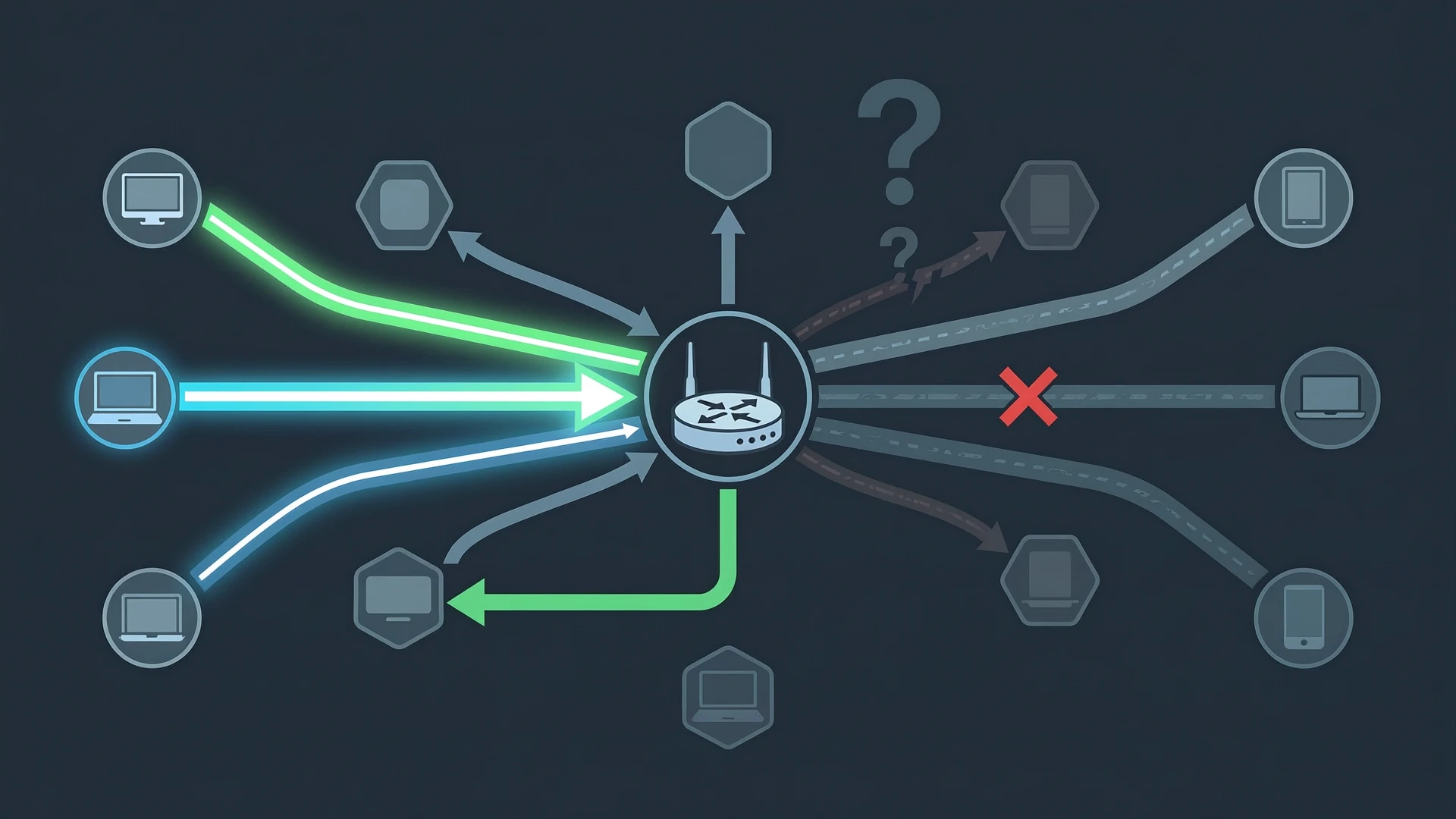
Agent Reach probes each candidate at startup (not just checking if a command exists, actually testing if it works end-to-end). The first one that passes gets selected. Broken ones come with a fix recipe.
Here’s a real example: in March 2026, yt-dlp got fully blocked by Bilibili’s anti-bot system (HTTP 412). If you were using yt-dlp alone, that route was dead. Agent Reach’s Bilibili channel automatically switched to bili-cli, with zero user intervention needed.
channels/
├── bilibili.py  → bili-cli ▸ OpenCLI ▸ Search API (yt-dlp retired after Bilibili block)
├── twitter.py   → twitter-cli ▸ OpenCLI ▸ bird
├── reddit.py    → OpenCLI ▸ rdt-cli (login required, no anonymous path)
└── ...
Switching backends = reordering a list, not rewriting code. That’s the difference between a capability layer and a single tool. One is architecture, the other is an implementation.
Zero Cost, Zero Friction
Every tool in Agent Reach is open source. Every API is free. The only possible cost is a server proxy (~$1/month). Local machines don’t need it at all.
No API keys, no paid subscriptions, no MCP server to configure yourself. Exa semantic search runs through mcporter MCP, key-free. YouTube transcripts via yt-dlp, free. Bilibili search via bili-cli, no login needed. RSS via feedparser, the Python ecosystem standard.
Platforms that require login state (Twitter, XiaoHongShu, Reddit, Facebook, Instagram) get prompted during installation. The agent asks which ones you want, installs only those you pick. Cookies stay local in ~/.agent-reach/config.yaml, file permissions 600, never uploaded. Fully open source, auditable anytime.
The project explicitly recommends using a dedicated alt account for platforms that need cookies, not your main account. That’s sensible risk management: platforms can detect non-browser API calls, and a limited-scope account contains the blast radius.
The Takeaway: Infrastructure, Not Integration
What Agent-Reach does, fundamentally, is turn internet access into infrastructure for agents.
You stop building per-agent internet capabilities. You stop watching for anti-scraping changes across platforms. You stop scrambling when Twitter’s API pricing changes, Reddit kills its anonymous endpoints, or Bilibili blocks yt-dlp.
Platforms evolve. Agent Reach handles the migration. You just use it.
GitHub repo: Panniantong/Agent-Reach. MIT license. Star it so you can find it next time you need it.